Create your WordPress site with AI in 60 seconds.































According to research conducted by Mailchimp, approximately 70-80% of sent emails are ignored by recipients. While only 28.77% of users open emails from public institutions, the open rate for commercial businesses is even lower at just 15.68%, due to lower levels of trust.
What is Business Mail?
A business email is an email address that contains a specific company’s domain name instead of a generic mail service like Gmail, Hotmail, or Outlook.
Example:
In a business email address, the part before the @ symbol usually consists of the employee’s surname (along with their initials or first name) or a term indicating the purpose of the email (such as info, support, marketing, etc.).
Advantages of Business Email
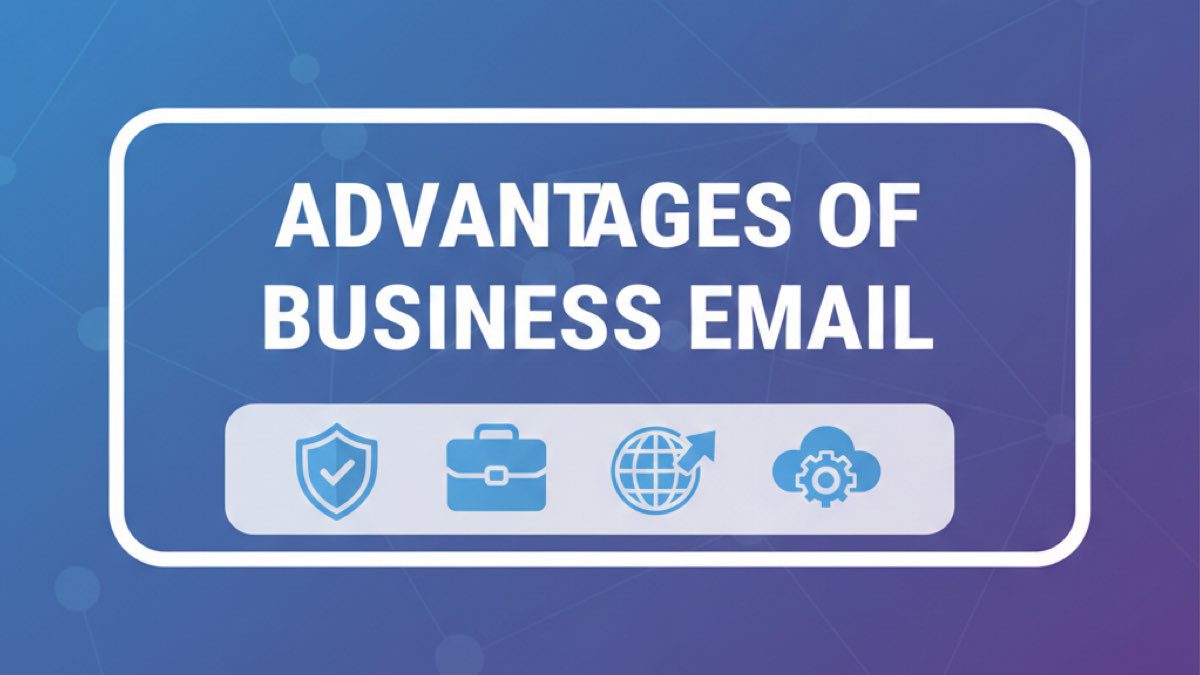
Using business email is of great importance for the business world for many reasons. These advantages include:
Identification
A corporate domain name includes the company’s name. This ensures that the email user is immediately identified as belonging to a specific business, which builds trust.
Professionalism
An email containing a domain name makes your email address more memorable and professional. This allows you to project a serious image when communicating with partners, clients, and colleagues.
Security
Email addresses containing a domain name provide a higher level of security. Consequently, it is much harder for hackers to compromise these emails.
Reputation Management
Since your email address becomes part of your online profile, a domain-based email allows you to control your image on the internet.
Building Trust
Because it is associated with professional activities and the reliability of the business, a domain-based email can inspire more confidence in potential clients and partners.
Configuration of DKIM/SPF/DMARC Records
By configuring SPF and DKIM records, the sending of unsolicited mail (spam) can be prevented. Furthermore, SPF and DKIM notify services that the emails have indeed originated from you.
Improving Deliverability
Emails sent from free email service providers are not only ineffective but are also banned by most mail providers. This is because such emails often end up in the spam folder or are blocked entirely. A business email containing your company’s domain is the only reliable way to ensure your mail reaches your subscribers. Using a corporate mailbox alongside SPF and DKIM records also allows for sender authentication, improves domain reputation, and increases email open rates.
Segmentation and Personalisation
Business mail allows you to create separate addresses for different departments and employees (e.g., info@, sales@, support@). These addresses can be used for different types of mailings and target audience segments. This contributes to more organised communication and task distribution, content personalisation, and increased relevance of content for subscribers.
Differences Between Business Email and Free Email Services
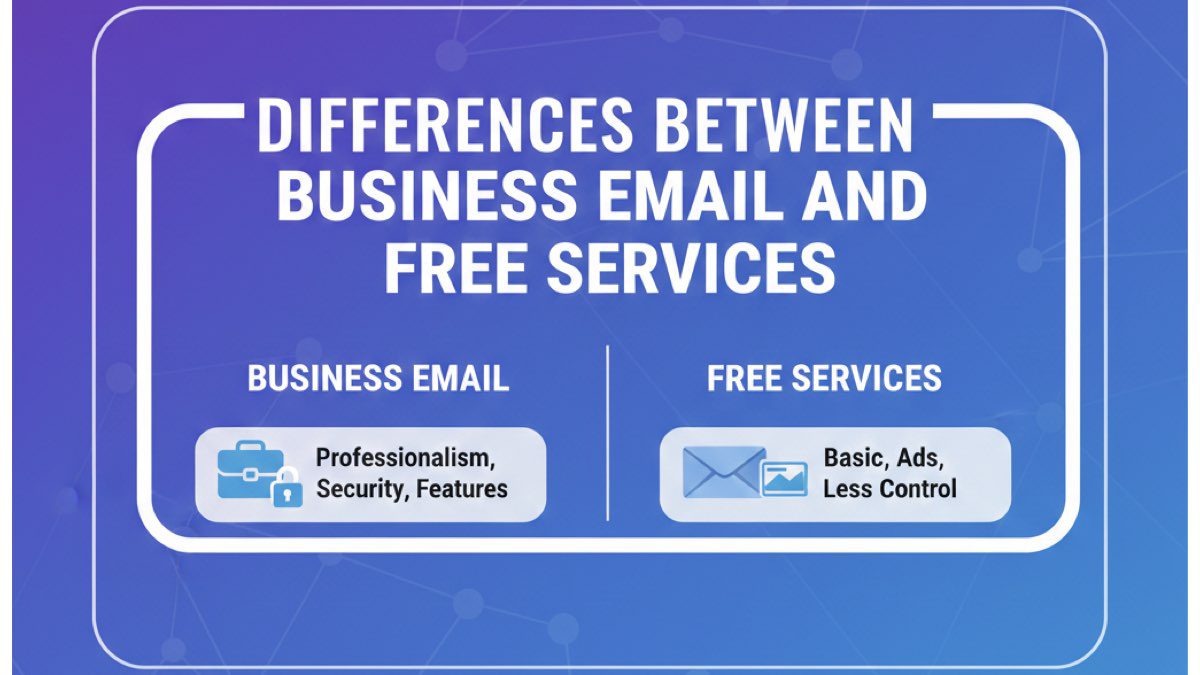
Unlike free email services, business email establishes a strong association with your brand by using your business’s unique domain name. This address is easily remembered by email recipients and is associated exactly with your business. In this way, your business stands out from the vast number of emails coming from general-access domains. Furthermore, it demonstrates that you are serious about your business, your professionalism, and that you take care of your reputation.


Who Needs Business Email?
Business email is an indispensable communication tool for all companies, regardless of their size or field of activity. It is particularly important for:
- Companies actively using email marketing — Businesses that want to ensure maximum efficiency in their communications, increase the deliverability of emails, and improve the results of marketing campaigns.
- Companies wanting professional communication with clients — Businesses that want to establish trust-based relationships with clients and create a reliable image.
- Companies with a large number of employees — Businesses that want to optimise internal communication, facilitate information exchange between departments, and increase overall work efficiency.
- Companies that value data security — Businesses that want to ensure the confidentiality of corporate information and provide protection against data leaks.